Speaker Biography
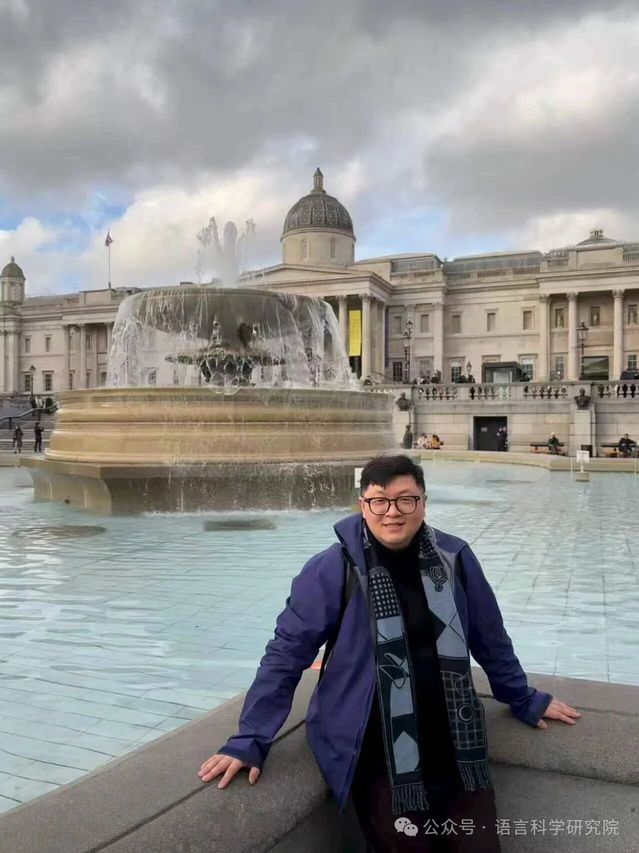
Dr. Chen Luyao is currently an Assistant Professor in the Department of Language Sciences and Technology at the Faculty of Humanities, The Hong Kong Polytechnic University. He received his Ph.D. from Beijing Normal University and conducted postdoctoral research as a guest researcher at the Max Planck Institute for Human Cognitive and Brain Sciences in Germany. His research focuses on the cognitive neuroscience of language, with recent work concentrating on using non-invasive neuromodulation techniques (such as transcranial magnetic stimulation, transcranial ultrasound stimulation, etc.) to investigate the neural causal mechanisms of Chinese sentence processing and production. His research spans areas including syntactic cognition and language brain networks. He has published multiple findings in leading international journals of cognitive neuroscience and has translated The Brain Basis of Human Language into Chinese. In alignment with national strategies on artificial intelligence and brain-computer interfaces, he also reflects on the cutting-edge positioning and application value of the cognitive neuroscience of language.
Lecture Time & Venue
Time: April 28, 2026, 14:00
Venue: Room 136, Teaching Building No. 5
Lecture Title
Exploring the Neural Basis of Chinese Sentence Processing and Production from the Perspective of Non-invasive Neuromodulation
Lecture Abstract
Non-invasive neuromodulation helps us investigate the direct causal relationship between the brain and behavior, addressing the causal mechanisms of specific brain regions and even brain networks. At the same time, non-invasive neuromodulation techniques are increasingly being used in clinical interventions to enhance and improve patients’ higher-order cognitive functions. Among these, research on the neuromodulation of human language function is burgeoning and will undoubtedly lay the foundation for future innovation and development of language brain-computer interface technologies that integrate neuromodulation. I will present a series of recent studies from our research group on the processing mechanisms of Chinese sentences using non-invasive neuromodulation, covering the following: first, an overview of common non-invasive neuromodulation techniques (transcranial magnetic stimulation, transcranial photobiomodulation, transcranial ultrasound stimulation) and their current applications; second, the causal roles of the left inferior frontal gyrus and its connectivity with the left posterior temporal lobe in Chinese sentence comprehension; third, preliminary findings on improving Chinese sentence production performance. Finally, I will invite the audience to reflect on the following question: In an era where artificial intelligence is advancing rapidly and Chinese-language brain-computer interfaces have entered national development plans, how can linguists, and particularly cognitive neuroscientists of language, better adapt to the currents of the times and further realize their own value?